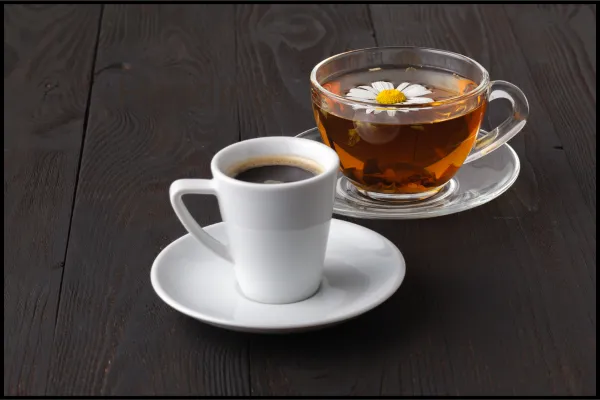
Coffee vs Tea: Which Drink Actually Helps Your Singing Voice?

Coffee vs Tea: Which Drink Actually Helps Your Singing Voice?
Key Takeaways
Hydration is the most critical factor for vocal health, with room temperature water being the optimal choice for singers
Coffee can dehydrate vocal cords due to its caffeine content, while certain herbal teas can soothe and support vocal performance
Timing matters: avoid caffeinated beverages at least 2 hours before a performance for optimal vocal condition
Herbal teas containing ginger, chamomile, and licorice root offer anti-inflammatory benefits without the dehydrating effects of caffeine
Creating a personalized vocal hydration plan based on your unique voice type can significantly enhance your singing performance
The age-old debate of coffee versus tea isn't just about flavor preferences – for singers, it could mean the difference between hitting that perfect high note or struggling through a performance. While both beverages have their place in a vocalist's routine, understanding exactly how each affects your instrument is crucial for maintaining vocal health and optimizing performance quality. The vocal coaching experts at Ken Tamplin Vocal Academy and at DreamVoice Accelerator have observed that what you drink before singing can dramatically impact your vocal capabilities.
Your vocal cords are delicate tissues that require proper hydration and care. Unlike other musical instruments, your voice is directly affected by what you consume. The mucosal lining covering your vocal folds needs adequate moisture to vibrate properly and produce clear, resonant tones. When this lining becomes dry or irritated, your singing quality suffers immediately – manifesting as vocal fatigue, reduced range, and that dreaded vocal strain singers fear.
The Truth About Beverages and Your Vocal Performance
Many singers develop strong opinions about what to drink before performing, but these preferences are often based on personal experience rather than scientific evidence. What works for one vocalist might not work for another due to differences in vocal anatomy, performance demands, and individual sensitivity to certain substances. However, one universal truth remains: hydration is paramount for vocal health.
How Your Drink Choice Affects Vocal Cords
Contrary to popular belief, liquids don't actually touch your vocal cords when you drink. Your vocal folds are protected by the epiglottis, which prevents food and drink from entering your windpipe. Instead, beverages affect your vocal apparatus through systemic hydration – how well they hydrate your entire body, which in turn affects the mucosal membranes surrounding your vocal folds. Additionally, certain ingredients in drinks can trigger responses in your body that either support or hinder vocal function.
Caffeine, for instance, acts as a diuretic that can potentially reduce overall body hydration. Acidic beverages may cause reflux in sensitive individuals, leading to throat irritation. Meanwhile, anti-inflammatory ingredients in certain teas might help reduce swelling and irritation in overused vocal tissues. Understanding these mechanisms helps explain why vocalists report such varied experiences with different beverages.
Why Hydration Is the #1 Factor for Vocal Health
Before diving into specific drinks, it's essential to understand that no beverage can replace proper hydration with water. Your vocal cords require a thin layer of mucus to vibrate efficiently, and this mucus needs adequate water content to maintain optimal consistency. Dehydration leads to thicker mucus and increased friction during phonation, which can damage vocal tissues over time.
Professional voice users should aim to consume at least 64 ounces of water daily, increasing this amount during periods of heavy vocal use. Room temperature water is ideal, as cold beverages can cause temporary vocal fold constriction while extremely hot liquids may irritate delicate throat tissues. Consistent hydration throughout the day proves far more effective than attempting to "catch up" right before a performance.
Coffee's Impact on Your Singing Voice
Coffee holds a special place in many performers' hearts – the ritual, the aroma, the energy boost. However, vocalists should approach this beloved beverage with caution. While moderate coffee consumption isn't likely to cause permanent vocal damage, its effects can significantly impact your singing voice in the short term.
Caffeine: The Vocal Dehydrator
Caffeine is the primary concern when considering coffee's impact on your singing voice. As a diuretic, it increases urine production, potentially leading to mild dehydration throughout your body – including those critical mucosal membranes covering your vocal cords. While research on caffeine's direct impact on vocal health remains somewhat limited, voice specialists generally advise against consuming caffeine before performances.
A pilot study published in the medical literature found inconsistent evidence regarding caffeine's direct adverse effects on vocal folds. However, many vocal coaches and professional singers report noticeable differences in vocal quality after caffeine consumption. These effects typically include increased vocal fatigue, reduced flexibility, and a sensation of dryness or scratchiness – all undesirable conditions for optimal singing.
Acidity Levels and Throat Irritation
Coffee's acidity presents another concern for singers. With a pH typically ranging between 4.85 and 5.10, coffee is significantly acidic compared to water's neutral pH of 7. This acidity can irritate the throat and exacerbate symptoms for singers who struggle with acid reflux or gastroesophageal reflux disease (GERD). When stomach acid travels upward toward the throat, it can cause inflammation of the vocal cords, resulting in hoarseness, throat clearing, and vocal fatigue – all detrimental to performance quality.
Many singers report experiencing "coffee reflux" even when they don't otherwise suffer from digestive issues. This occurs because caffeine can relax the lower esophageal sphincter, allowing stomach acid to flow more freely into the esophagus. For vocalists with upcoming performances, this additional irritation can make the difference between a smooth delivery and a strained one.
When Coffee Actually Helps Performers
Despite these concerns, coffee isn't entirely detrimental to singers. In moderation and with proper timing, it can offer benefits for certain performance situations. The caffeine in coffee can improve alertness and energy levels, which proves valuable during early morning rehearsals or when fighting fatigue before an evening performance. Some singers also report that coffee helps clear excessive mucus – though this effect likely results from temporary dehydration rather than any medicinal property.
If you do choose to include coffee in your pre-performance routine, timing is crucial. Consider drinking it at least 2-3 hours before singing to minimize dehydration effects, and always follow with plenty of water. Adding milk can help buffer some of the acidity, while choosing a lighter roast may reduce overall acid content. Cold brew coffee typically contains about 70% less acid than hot brew methods, making it a gentler option for sensitive vocal systems.
Tea Varieties and Their Vocal Benefits
Unlike coffee, many tea varieties offer vocal benefits that make them excellent choices for singers. The diverse world of tea provides options ranging from completely caffeine-free herbal infusions to moderately caffeinated traditional teas. Each type offers unique properties that may support vocal health and performance in different ways.
Herbal Teas That Soothe and Support
Herbal teas stand out as particularly beneficial for vocalists due to their naturally caffeine-free composition and therapeutic properties. These aren't technically "teas" in the botanical sense, as they don't contain leaves from the Camellia sinensis plant, but rather infusions of various herbs, flowers, roots, and spices. Many herbal varieties contain compounds with anti-inflammatory, soothing, or mucus-thinning properties – all valuable benefits for singers.
The steam from hot herbal teas provides an additional benefit by delivering moisture directly to the throat area. While this doesn't directly hydrate the vocal folds themselves, the warm steam can help loosen congestion and provide comfort to irritated throat tissues. Many singers report that simply inhaling the steam from herbal tea before sipping provides immediate relief during periods of vocal fatigue.
Green Tea: The Middle Ground Option
Green tea offers a middle ground between herbal teas and coffee for singers who desire a gentle caffeine boost without excessive dehydration. With approximately 25-45mg of caffeine per 8-ounce cup (compared to coffee's 95-200mg), green tea provides increased alertness with significantly less diuretic effect. Additionally, green tea contains L-theanine, an amino acid that promotes calm focus rather than the jittery energy often associated with coffee consumption.
Black Tea's Caffeine Content vs. Coffee
Black tea contains more caffeine than green tea but still substantially less than coffee, making it another intermediate option for singers. A typical cup provides 40-70mg of caffeine, about half that of an average coffee serving. This reduced caffeine content means less potential dehydration while still offering energy-boosting benefits.
Caffeine Content Comparison (per 8oz cup)
Coffee: 95-200mg
Black Tea: 40-70mg
Green Tea: 25-45mg
White Tea: 15-30mg
Herbal Tea: 0mg
Beyond caffeine considerations, black tea contains tannic acid, which some singers find helpful for reducing excess mucus production. The astringent quality of tannins can create a feeling of throat "tightening" that some performers appreciate before singing. However, this same quality can create a drying sensation that others find uncomfortable, highlighting the importance of discovering what works best for your unique vocal apparatus.
Many vocalists who enjoy black tea opt for preparations that minimize potential drawbacks while maximizing benefits. Adding milk to black tea helps neutralize some of the tannins, creating a smoother, less astringent beverage. Honey not only sweetens but also provides coating properties that many singers find soothing. Some performers also add a squeeze of lemon for its reported mucus-thinning abilities, though the acidity may be problematic for those with reflux issues.
For singers concerned about tannins but still wanting black tea's benefits, trying different varieties can make a difference. Darjeeling and Ceylon teas typically contain fewer tannins than Assam or standard English Breakfast blends. Brewing time also affects tannin content – steeping for 2-3 minutes rather than 4-5 can produce a gentler cup that's less likely to cause throat dryness.
5 Best Teas for Singers
Based on both anecdotal evidence from professional singers and available research on throat-soothing ingredients, certain teas stand out as particularly beneficial for vocal health. These options provide hydration alongside specific compounds that may help maintain optimal vocal function without unwanted side effects. For more details, you can check out the best teas for singers.
Ginger Tea: Anti-inflammatory properties help reduce vocal fold swelling while stimulating circulation to the throat area. Many singers report that ginger tea helps clear congestion and soothes irritation.
Chamomile Tea: Contains anti-inflammatory compounds that may reduce vocal cord inflammation while promoting relaxation – helpful for managing performance anxiety that can affect breathing and vocal technique.
Licorice Root Tea: Creates a protective coating in the throat and may help soothe irritated vocal tissues. Contains glycyrrhizin, which has been studied for its anti-inflammatory effects.
Slippery Elm Tea: Forms a mucilaginous coating in the throat that many singers find protective and soothing, especially during periods of heavy vocal use.
Turmeric Tea: Contains curcumin, a powerful anti-inflammatory compound that may help reduce vocal fold inflammation after intensive singing sessions.
Many singers create their own "vocal tea" blends by combining several beneficial herbs. A common approach involves brewing ginger with honey and lemon, then adding a chamomile tea bag for additional soothing properties. Experimentation can help you discover which combination works best for your particular vocal needs and taste preferences.
While these teas offer potential benefits, it's important to note that they complement rather than replace proper hydration, vocal technique, and adequate rest. No tea can compensate for vocal strain caused by improper technique or overuse, and singers should always prioritize proper vocal training alongside supportive dietary habits.
Pre-Performance Drink Timing
What you drink before a performance matters greatly, but when you drink it may be even more critical. The timing of your beverage consumption can significantly impact how your voice functions during a performance. Professional singers develop precise routines around hydration schedules to ensure their instruments are in optimal condition when it's time to perform.
The 2-Hour Rule for Caffeinated Beverages
Voice specialists generally recommend avoiding caffeinated beverages within two hours of a performance. This timeframe allows your body to process the caffeine while minimizing its diuretic effects during your performance. If you rely on caffeine for energy or alertness, consider consuming it earlier in your preparation routine, followed by consistent water intake to counteract potential dehydration.
This two-hour buffer also applies to acidic beverages that might trigger reflux symptoms. Giving your digestive system adequate time to process these drinks reduces the risk of acid traveling upward and irritating your vocal apparatus during performance. For singers with known reflux issues, extending this buffer to 3-4 hours may provide additional protection. For more tips on managing reflux and vocal health, check out this discussion on drinks for singers.
Optimal Hydration Schedule Before Singing
Proper hydration for optimal vocal performance isn't achieved through last-minute water consumption but rather through consistent hydration throughout the day. The moisture level of your vocal fold mucosa reflects your overall hydration status, which develops over hours rather than minutes. Attempting to "catch up" on hydration immediately before singing typically leads to excessive bathroom breaks without adequately hydrating the vocal tissues.
Most voice specialists recommend maintaining steady water intake throughout the day before a performance, gradually reducing consumption in the final hour to avoid the discomfort of a full bladder while performing. Room temperature water is preferable to cold water immediately before singing, as cold beverages can temporarily constrict throat tissues and potentially affect resonance.
Pre-Performance Hydration Timeline
Day before performance: Minimum 8 glasses of water
3-4 hours before: 16-20 ounces of water
2 hours before: 8-12 ounces of water
30-60 minutes before: Small sips as needed
During performance: Minimal sips between songs/sections
What Professional Singers Actually Drink
Professional singers develop personalized hydration routines based on years of experience with their unique vocal instruments. While these routines vary widely, patterns emerge across different performance disciplines that provide valuable insights for vocalists at all levels. Understanding these real-world practices can help you develop your own effective pre-performance routine.
Broadway Performers' Pre-Show Routines
Broadway performers, who often sing eight shows weekly while executing demanding choreography, tend to prioritize sustained energy alongside vocal health. Many report avoiding coffee entirely on performance days, instead opting for green tea with honey for a gentler energy boost. The physically demanding nature of musical theater also necessitates careful electrolyte balance, leading many performers to incorporate electrolyte-enhanced water or coconut water into their pre-show routines.
Because Broadway performances typically combine singing with physical exertion, these performers often follow a distinct hydration pattern: moderate intake 2-3 hours before curtain, minimal intake in the hour before (to avoid bathroom emergencies during the first act), and strategic sipping during backstage moments. Many keep specialized throat sprays or lozenges in their dressing rooms for emergency vocal support between scenes.
Opera Singers' Vocal Care Traditions
Opera singers, who perform without amplification and often in foreign languages, frequently adhere to traditions passed down through generations of classical vocalists. Many avoid caffeine entirely on performance days, instead relying on warm water with lemon and honey as their primary pre-performance beverage. Some follow the old Italian opera tradition of sipping room temperature water with a small amount of olive oil before difficult arias to lubricate the vocal mechanism.
The intense vocal demands of operatic performance lead many classical singers to maintain strict hydration schedules, often consuming a specific amount of water hourly throughout the day before tapering off 90 minutes before curtain. Herbal teas featuring slippery elm, marshmallow root, and licorice are particularly popular in this community for their mucosa-coating properties. Interestingly, many opera singers report avoiding dairy products before performances due to concerns about increased mucus production, though scientific evidence for this effect remains inconclusive.
Creating Your Personal Vocal Hydration Plan
Finding What Works for Your Voice Type
Every singer's vocal apparatus is unique, and what works perfectly for one performer may prove problematic for another. Developing an effective personal hydration plan requires attentive experimentation and careful observation of how different beverages affect your specific instrument. Factors including your vocal register, singing style, performance duration, and individual physiology all influence how your body responds to different hydration strategies.
Soprano and tenor voices, which utilize higher registers requiring greater vocal fold tension, often benefit from consistent hydration with anti-inflammatory beverages like ginger or turmeric tea. Bass and alto voices may find that slightly astringent beverages like black tea help manage excess mucus that can interfere with clear articulation in lower registers. Performers who rely heavily on belt techniques might discover that slippery elm tea provides welcome protection against the increased friction associated with this vocal production method.
Voice Type Considerations
Soprano/Tenor: Focus on anti-inflammatory teas, avoid excessive caffeine
Alto/Bass: Moderate tannins may help with mucus management
Belt/Pop singers: Protective herbs like slippery elm and licorice
Classical: Tradition favors warm water with lemon/honey
Jazz/Blues: Many find moderate coffee acceptable if followed by ample hydration
The most effective approach involves maintaining a performance journal that tracks not only what you consume before singing but also how your voice responds under different conditions. Note factors like vocal fatigue, ease of phonation, range accessibility, and overall comfort. Over time, patterns will emerge that help you identify your optimal pre-performance routine.
Remember that your needs may change throughout your singing career as your technique develops, your repertoire evolves, or you encounter different performance environments. What works perfectly in a humidity-controlled concert hall may prove insufficient for outdoor summer performances. Flexibility and continued self-observation remain essential components of effective vocal care.
Balancing Enjoyment and Vocal Health
For most singers, complete elimination of beloved beverages like coffee or tea isn't necessary or realistic. The goal should be finding a sustainable balance that allows you to enjoy your preferred drinks while maintaining optimal vocal health. This might mean enjoying your morning coffee on non-performance days, switching to half-caffeinated blends during performance periods, or compensating for caffeine consumption with additional water intake.
Some vocalists adopt a "special occasion" approach to potentially drying beverages, saving their coffee indulgence for after important performances rather than before them. Others find that specific preparation methods minimize negative effects – such as cold-brewing coffee to reduce acidity or adding milk to black tea to buffer tannins. The key is developing awareness of how different beverages affect your unique vocal instrument and making informed choices based on your performance demands.
Emergency Fixes for Dehydrated Vocal Cords
Despite your best planning, situations may arise where you find yourself vocally dehydrated before needing to sing. While no instant solution exists for truly dehydrated vocal tissues, certain emergency measures may provide temporary relief. Breathing steam from hot (not boiling) water for 5-10 minutes can help introduce moisture to dry throat tissues. Specialized throat sprays containing glycerin or similar humectants can temporarily lubricate irritated membranes. Slippery elm or marshmallow root lozenges may provide a protective coating that reduces friction during phonation while your body rehydrates.
The Final Verdict: Water Beats Everything
After examining the benefits and drawbacks of coffee, various teas, and specialized beverages, one conclusion remains inescapable: nothing surpasses plain water for maintaining optimal vocal health. While certain teas offer valuable therapeutic properties that may address specific vocal concerns, water provides the fundamental hydration that all vocal tissues require to function properly.
The ideal approach for most singers involves maintaining consistent water intake as your primary hydration source, while strategically incorporating beneficial teas when specific properties are desired. Coffee and caffeinated teas can remain part of your routine when consumed mindfully with appropriate timing and compensation strategies.
Voice scientists and vocal coaches alike emphasize that hydration isn't just about what happens on performance day – it's a lifestyle approach that maintains your instrument in optimal condition over time. Consistent hydration supports not only immediate vocal function but also long-term vocal health and career longevity.
Prioritize room temperature water as your primary beverage
Incorporate herbal teas strategically for specific benefits
If you enjoy caffeinated beverages, time them carefully and compensate with additional water
Monitor your individual response to different beverages
Adapt your hydration approach based on performance demands and environmental conditions
Frequently Asked Questions
Singers at all levels commonly have questions about how beverages affect their vocal performance. While individual responses vary, certain patterns emerge from both scientific research and the collective experience of professional vocalists. Understanding these general principles can help you make informed decisions about your own vocal care routine.
It's important to note that vocal health exists on a continuum, and occasional deviations from ideal practices rarely cause permanent damage. However, consistent habits significantly impact long-term vocal function and career sustainability. The following answers address common concerns while acknowledging the unique nature of each singer's instrument.
Remember that advice from vocal health professionals should take precedence over general guidelines, particularly if you're experiencing persistent vocal issues. A qualified voice specialist can provide personalized recommendations based on your specific vocal condition and needs.
Always prioritize personal observation and professional guidance
Consider the context of your performance demands
Recognize that prevention is easier than remediation
Approach vocal health holistically, considering hydration alongside technique, rest, and overall wellness
Can I drink coffee right before a performance?
Drinking coffee immediately before performing isn't recommended for most singers. The caffeine can dehydrate your vocal tissues, while the acidity may trigger reflux symptoms that irritate your throat. If you rely on coffee for energy or focus, try consuming it at least 2-3 hours before singing, followed by plenty of water. Better alternatives include green tea (with less caffeine) or caffeine-free herbal options like ginger tea that provide energy support without the same dehydrating effects.
Do honey and lemon actually help your voice?
Honey and lemon can indeed provide benefits for singers when used appropriately. Honey creates a protective coating on irritated throat tissues while potentially reducing inflammation through its natural antibacterial properties. Studies have shown that certain types of honey (particularly buckwheat and manuka varieties) may reduce coughing and throat irritation more effectively than over-the-counter medications.
Lemon offers different benefits by helping to cut through mucus and providing vitamin C, which supports overall immune function. However, its acidity may irritate some singers' throats, particularly those with reflux tendencies. A balanced approach involves adding a small amount of lemon to warm (not hot) water with honey, creating a soothing beverage that addresses multiple vocal concerns without excessive acidity.
Why do some singers swear by warm tea while others prefer room temperature water?
This preference often relates to individual vocal needs and singing styles. Warm beverages can relax throat muscles and increase blood flow to vocal tissues, which benefits singers dealing with tension or performing in cool environments. Room temperature water provides clean hydration without temperature-related effects on the vocal mechanism, making it a neutral option suitable for most situations. Your optimal choice depends on your specific vocal challenges, performance environment, and personal response to different temperatures – there's no universal "right" temperature for all singers in all contexts.
Will drinking tea improve my vocal range?
Tea alone cannot increase your fundamental vocal range, which is determined primarily by the physical structure of your larynx and vocal folds. However, certain teas may help you access your full potential range more easily by reducing inflammation, decreasing excess mucus, or soothing irritated tissues that might otherwise restrict your comfortable singing range. For more information on beneficial teas, check out the best teas for singers.
Anti-inflammatory herbal teas like ginger, turmeric, or chamomile might help reduce swelling that interferes with vocal fold function, potentially making higher notes more accessible if inflammation was limiting your range. Similarly, teas that thin mucus may help clear congestion that restricts resonance and flexibility.
The relationship between beverages and vocal performance is more about removing obstacles than enhancing capabilities beyond your natural instrument. Think of beneficial teas not as range-expanders but as tools that help maintain optimal conditions for accessing the range you already possess through proper technique and training.
Tea Effects on Vocal Performance
Inflammation reduction: May ease access to higher notes
Mucus management: Can improve clarity throughout range
Muscle relaxation: Might reduce tension that restricts range
Hydration support: Ensures proper vocal fold function
Psychological comfort: Ritual may reduce performance anxiety
Is there any beverage I should absolutely avoid before singing?
Alcohol stands out as the beverage most universally discouraged before singing. Even small amounts can dehydrate vocal tissues, impair muscle coordination, and reduce awareness of vocal strain – creating conditions for potential vocal damage. The initial relaxation effect might seem beneficial for performance anxiety, but the negative impacts on technique, hydration, and self-monitoring far outweigh any perceived benefits.
Extremely cold beverages should also be approached cautiously immediately before singing. The temperature shock can temporarily constrict throat tissues and potentially affect resonance and phonation, thereby undermining what circulation is activated while warming up. While not as problematic as alcohol, ice-cold drinks are best avoided in the hour before performance.
Dairy-based beverages represent a more complex case. While the long-held belief that dairy increases mucus production lacks definitive scientific support, many singers report subjective changes in vocal function after consuming milk products. If you notice phlegm or throat-clearing tendencies after dairy consumption, it's reasonable to avoid these beverages before performances regardless of the mechanism involved.